Thinking about retirement and how to stay financially secure in your home can feel overwhelming…

Reverse Mortgage: How Nevada Homeowners Can Unlock Home Equity for Retirement
Thinking about retirement income or keeping up with expenses on a fixed income can feel stressful for many Nevada homeowners. A reverse mortgage is a government-insured loan that allows homeowners aged 62 and older to convert a portion of their home’s equity into tax-free cash without monthly mortgage payments, so long as they continue living in the home and meet program obligations. In this article, we’ll break down what a reverse mortgage is, how it works, who qualifies in Nevada, and key factors to consider before applying.
Key Takeaways
- Purpose: A reverse mortgage lets eligible homeowners turn home equity into cash to help cover living costs, supplement retirement income, or pay for unexpected expenses.
- Eligibility: Homeowners typically must be 62 or older, live in the home as their primary residence, and have sufficient equity.
- No Monthly Payments: Borrowers don’t make monthly mortgage payments; instead, the loan is repaid when the home is sold, the borrower moves out, or passes away.
- Timeline: The process can take a few weeks from application to funding, including mandatory counseling and appraisal.
- Best For: Nevada homeowners seeking flexible, supplemental retirement income who plan to remain in their property long-term.
Quick Answers: Reverse Mortgages in Nevada
- What is a reverse mortgage? It’s a type of loan that turns part of your home’s equity into cash—without monthly payments—while you remain in your home and meet lender requirements.
- Will I lose my home? As long as you pay taxes, insurance, maintain the property, and continue to live there, you keep ownership and can stay.
- How do I access funds? You can receive money as a lump sum, monthly disbursements, a line of credit, or a combination.
- Who qualifies? Owners aged 62+, with substantial equity, using the home as a primary residence.
- Are there risks? Your equity decreases over time and heirs may get less inheritance, but you can never owe more than the home’s value at sale, per government rules.
What Is a Reverse Mortgage?
A reverse mortgage is a special type of home loan for older homeowners—most commonly through a federally-insured HECM (Home Equity Conversion Mortgage) designed to help people remain in their homes while unlocking built-up equity. Unlike a traditional mortgage with monthly payments, this loan pays you (the homeowner) and is only due when you sell the property, permanently move out, or pass away. The funds are usually tax-free and can be used for almost any purpose, including living expenses, medical costs, or major home repairs.
How Does a Reverse Mortgage Work?
A reverse mortgage works in the opposite way of a conventional loan. Instead of making payments to a lender, the lender pays you. During the loan’s term, you retain the title and stay responsible for property taxes, homeowners insurance, and basic upkeep.
- Loan amount is based on your age, current market rates, the value of your home, and current government guidelines.
- You choose how to receive the funds (lump sum, fixed monthly payments, line of credit, or a combination).
- The loan balance grows over time as interest and fees accrue.
- When you leave the home (sell, move, or pass away), the loan is typically paid off through the sale of the property.
- You (or your heirs) never owe more than the value of the home at time of sale, as the loan is considered “non-recourse.”
Who Qualifies for a Reverse Mortgage in Nevada?
Eligibility criteria tend to follow federal guidelines (for HECM loans), but there are a few points especially important for Nevada residents:
- At least one borrower must be 62 years or older
- The home must be your primary residence (vacation or investment properties are not eligible)
- You must have significant equity—typically, at least 50% ownership after any mortgages or liens
- You’ll need to have the financial ability to pay property taxes, homeowners insurance, and HOA dues (if applicable)
- Mandatory counseling with a HUD-approved reverse mortgage counselor is required before application
The team at America First Mortgage (NMLS# 2564858) specializes in helping Nevada homeowners decide if this option is right for their scenario and can walk you through required documentation and steps for local Clark County communities from Summerlin to Henderson and everywhere in between.
What Are the Benefits of a Reverse Mortgage?
- No monthly mortgage payments required (you just pay property taxes, insurance, and keep up the home)
- Flexible disbursement options: lump sum, line of credit, or monthly payments
- Non-recourse protection: you/your heirs never owe more than market value when the loan is repaid
- Stay in your home for as long as you want, provided you follow program rules
Reverse mortgages can be used for a wide range of needs, whether to supplement retirement income, cover home improvements, or pay for medical care. For many Nevada homeowners—especially those with rising property values in markets like Las Vegas, Summerlin, or Green Valley—this can be a way to put hard-earned equity to work, without needing to sell or move out.
Reverse Mortgage vs. Traditional Refinance or HELOC
| Reverse Mortgage | Traditional Refinance | HELOC |
|---|---|---|
| No monthly payments required (repayment due when you leave the home) | Monthly payments required | Monthly payments required on amount drawn |
| Must be at least 62 years old; primary residence | No age requirement; requires qualification and income | No age requirement; requires qualification and income |
| Use funds for any purpose (retirement, living expenses, medical bills, home repairs, etc.) | Use funds for any purpose | Use funds as needed for life events or goals |
| Loan paid off only when home is sold, borrower moves out, or passes away | Loan paid off monthly over term | Payments start as soon as funds are drawn |
| Subject to FHA limits and fees; closing costs vary | Closing costs and fees apply; may be rolled in | Variable rates; fees for draw/usage |
Learn more about HELOC home loan options if you’re looking for a line of credit alternative with different requirements.
Steps to Getting a Reverse Mortgage in Nevada
- Consult with a licensed mortgage broker experienced in Nevada reverse mortgages (like our local team) to review your scenario and questions.
- Complete HUD-approved counseling, which is required to ensure you understand the product and your obligations.
- Submit an application with all required documentation (ID, income/assets, property info, insurance).
- Appraisal ordered to confirm property value and eligibility (must be your primary residence and meet HUD guidelines).
- Loan approval and funding—you select how you’d like to receive your proceeds.
The whole process typically takes a few weeks, depending on counseling availability and appraisal scheduling in Nevada markets like Clark County, Las Vegas, Henderson, and outlying communities.
Reverse Mortgage Considerations: Is It Right for You?
Reverse mortgages can be a powerful option for many, but they’re not for everyone. Before moving forward, it’s smart to consider the following:
- Longevity in your home: Generally best for those planning to stay in the home long-term
- Inheritance plans: Because equity shrinks over time, there may be less to leave to heirs, though the non-recourse feature protects from negative equity
- Ongoing obligations: You remain responsible for taxes, insurance, and basic maintenance to avoid loan default
- Impact on benefits: Reverse mortgage proceeds generally do not affect Social Security or Medicare, but could impact Medicaid eligibility in some situations—consult a financial advisor
- Costs and fees: Closing costs and mortgage insurance fees are typically higher than traditional loans; some can be financed into the loan amount
It’s important to work with a transparent, knowledgeable broker who will review your full financial situation—something we take seriously at America First Mortgage.
Frequently Asked Questions
What happens if my home value drops below my reverse mortgage balance?
Reverse mortgages are “non-recourse” loans. Even if your mortgage balance is higher than your home’s value when it’s sold, neither you nor your heirs have to pay the difference—only what the home sells for.
Can I lose my home with a reverse mortgage?
You must continue to pay property taxes, maintain homeowners insurance, and keep the property in good repair. If these requirements aren’t met, or if you permanently leave the property, the loan can become due, so meeting your obligations is essential.
Can I use a reverse mortgage to buy a new home?
Yes. Some reverse mortgage programs, often called “HECM for Purchase,” let qualified buyers use reverse mortgage proceeds toward buying a new primary home, such as downsizing or moving closer to family.
How does a reverse mortgage affect my heirs in Nevada?
When the last borrower leaves or passes away, heirs have the option to sell the home and use proceeds to pay off the loan, or refinance if they want to keep the property. Any remaining equity belongs to your heirs.
What alternatives are there to a reverse mortgage?
Options like downsizing, traditional refinance, home equity line of credit (HELOC), or selling and renting can meet different needs. Each option has pros and cons, so discuss your goals with a licensed mortgage broker before making a decision.
This is educational and not financial advice. Loan programs and guidelines can change. Talk with a licensed mortgage professional about your specific scenario.
About the Author
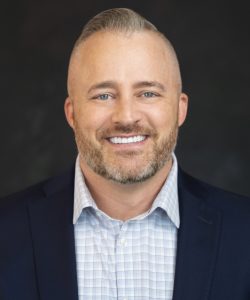
Bill Merren
President & CEO at America First Mortgage · NMLS #196091
Bill, a Las Vegas native, attended Durango High School, where he excelled in athletics and earned an academic scholarship to attend UNLV after serving six years in the U.S. Army. Bill and his wife are active parents, raising their four sons and often spending weekends at various sports fields or enjoying outdoor activities around Vegas
Specializes in: VA loans
Non QM Loans
Reverse Mortgage
Licensed in: AZ, CO, FL, ID, NV, TX
Related Posts