Running a business can produce strong cash flow while tax deductions make qualifying for a…

Can You Get a Reverse Mortgage if You Still Owe Money on Your Home?
By Bill Merren, President & CEO
Considering a reverse mortgage can be confusing when your home still has a mortgage, home equity line of credit, or another lien. Yes, you can get a reverse mortgage while owing money on your home, but the existing mortgage and other required liens generally must be paid off when the reverse mortgage closes. In this guide, we at America First Mortgage (NMLS# 2564858) explain how the payoff works, why available equity matters, and what to review before applying.
Key Takeaways
- Existing Mortgage: Your current mortgage generally must be paid off with reverse mortgage proceeds or other available funds at closing.
- Equity: You need enough available equity to cover required payoffs, closing costs, and any required financial set-aside.
- Eligibility: A Home Equity Conversion Mortgage generally requires the youngest borrower to be at least 62, along with qualifying property, occupancy, counseling, and financial-assessment requirements.
- Ongoing Obligations: You must continue paying property taxes, homeowners insurance, applicable HOA charges, and property maintenance costs.
Quick Answers
- Can your current mortgage remain open? Generally, no. It usually must be paid in full at the reverse mortgage closing.
- Must you own the home free and clear? No. Many borrowers use reverse mortgage proceeds to eliminate an existing mortgage balance.
- Will you still make monthly mortgage payments? A reverse mortgage generally does not require monthly principal-and-interest payments, although taxes, insurance, maintenance, and other property charges remain your responsibility.
- What if the reverse mortgage does not provide enough money? You may need to bring eligible funds to closing, reduce the required payoff, or consider another financing strategy.
How a Reverse Mortgage Pays Off Your Existing Home Loan
A reverse mortgage must generally hold the primary lien position on the property. That is why an existing first mortgage, second mortgage, or other required lien usually cannot remain ahead of it.
At closing, the settlement agent requests payoff statements for the existing liens. Part of the reverse mortgage proceeds is then sent directly to the current lienholders. Any remaining proceeds, after eligible costs and required set-asides, are made available according to the selected disbursement method and program rules.
For example, suppose a homeowner has substantial equity but still owes money on a conventional mortgage. If the available reverse mortgage proceeds are sufficient, the old loan can be paid off at closing. The homeowner no longer has that previous monthly principal-and-interest payment, but the reverse mortgage balance increases over time as interest, mortgage insurance when applicable, and financed costs accrue.
Eliminating the existing mortgage payment does not eliminate the costs of owning the home. The borrower must continue meeting all property-related obligations required by the reverse mortgage.
Why Your Available Equity Matters
Having equity does not automatically mean there will be enough reverse mortgage proceeds to pay every required obligation. The amount available is commonly based on several factors:
- The age of the youngest eligible borrower or non-borrowing spouse, as applicable
- The home’s appraised value
- The program’s current lending limit or maximum claim amount
- Current expected interest rates
- The balance of the existing mortgage and other liens
- Closing costs and financed program charges
- Any required set-aside for taxes, insurance, or property repairs
In general, an older eligible borrower may have access to a larger portion of the home’s value than a younger eligible borrower, all other factors being equal. Higher expected rates can reduce available proceeds, while a larger existing payoff leaves less money available after closing.
The key calculation is not simply how much equity you have; it is whether the reverse mortgage’s available principal limit can cover the required mortgage payoff, liens, costs, and set-asides.
What Happens if You Owe Too Much?
If the available reverse mortgage proceeds are less than the amount needed to close, the loan generally cannot be completed as initially structured. That does not necessarily end the evaluation, but the shortfall must be addressed using an option permitted by the program and lender.
Possible paths may include:
- Bringing funds to closing: A borrower may be able to use verified eligible funds to cover the difference.
- Paying down the mortgage before closing: Reducing the current balance may make the transaction workable.
- Resolving another lien: A second mortgage, judgment, tax lien, or HELOC may need to be paid or otherwise handled under applicable guidelines.
- Reviewing a proprietary reverse mortgage: Some non-agency programs have different property-value and proceeds structures, although eligibility, costs, and availability vary.
- Considering another equity option: Depending on income, credit, goals, and repayment ability, a traditional refinance or HELOC home loan may be worth comparing.
Borrowers should not assume they can simply negotiate a lower mortgage payoff. Any payoff arrangement must be documented and accepted under the reverse mortgage program, lienholder, title, and lender requirements.
HECM and Proprietary Reverse Mortgages Compared
The most common reverse mortgage is the Home Equity Conversion Mortgage, or HECM. It is insured by the Federal Housing Administration and follows federal program requirements. Proprietary reverse mortgages are private products with investor-specific guidelines.
| Feature | HECM | Proprietary Reverse Mortgage |
|---|---|---|
| Program structure | FHA-insured with federal program rules | Privately offered with investor-specific rules |
| Typical age standard | Generally 62 or older for borrowers | Varies by product and applicable law |
| Property value considerations | Subject to the current HECM maximum claim amount | May accommodate higher-value properties, depending on the program |
| Counseling | HUD-approved counseling is required | Requirements vary, and counseling may still be required |
| Existing mortgage | Generally paid off at closing | Generally paid off at closing, subject to program rules |
Agency rules establish the baseline for a HECM, while lenders may apply additional underwriting requirements known as overlays. Proprietary programs follow their investors’ guidelines instead. Product availability, rates, fees, property standards, and proceeds can change, so current terms should be verified before choosing a program.
Reverse Mortgage Eligibility Goes Beyond Home Equity
Enough equity is essential, but the lender also evaluates borrower eligibility, property eligibility, and the ability to meet ongoing obligations.
Borrower and Occupancy Requirements
A HECM is generally designed for a borrower who is at least 62 and occupies the property as a principal residence. The home must continue to meet the program’s occupancy rules after closing. Extended absences or a permanent move can affect the loan’s status.
Applicants must also complete counseling with a HUD-approved reverse mortgage counselor. Counseling is separate from the lender’s review and is intended to explain loan costs, alternatives, borrower responsibilities, and the circumstances that can make the balance due.
Financial Assessment
The lender reviews income, assets, credit history, property-charge payment history, and other obligations. This review is not the same as qualifying for a standard mortgage payment, because a reverse mortgage generally does not require monthly principal-and-interest payments.
Instead, the financial assessment considers whether the borrower appears able and willing to pay property taxes, homeowners insurance, HOA charges, and other required housing expenses. Depending on the findings, a portion of the proceeds may need to be reserved in a life expectancy set-aside to pay certain property charges.
Property Eligibility and Condition
The property must meet the applicable program’s type, title, appraisal, and condition requirements. Eligible property types commonly include qualifying single-family homes and certain approved condominium or multi-unit properties, but requirements vary.
An appraisal establishes the property’s market value and identifies required repairs. Some repairs may need to be completed before closing, while others may be eligible for a repair set-aside under program rules.
Costs and Tradeoffs to Review
A reverse mortgage can remove an existing required monthly mortgage payment, but it is not free money. The loan balance normally grows because the borrower is not making monthly payments to reduce principal and accrued interest.
Potential costs may include:
- Origination and lender charges
- Appraisal, title, recording, and settlement expenses
- Upfront and ongoing mortgage insurance for a HECM
- Interest charged on the outstanding balance
- Counseling and other third-party costs where permitted
Fees and rates vary by program, lender, property, and borrower scenario. Some costs may be financed, but financing them reduces remaining equity and increases the loan balance.
A reverse mortgage is generally repaid after the last borrower permanently leaves the home, sells it, or dies, or if another maturity event occurs under the loan terms. Failure to pay property charges, maintain the home, or satisfy occupancy requirements can also cause the loan to become due and payable.
How the Process Usually Works
- Initial review: We discuss the property, estimated value, current mortgage balance, ownership, ages, occupancy, and financial goals.
- Preliminary proceeds estimate: Available proceeds are estimated using current program factors and an estimated payoff. This is not a final approval or appraisal.
- Counseling: For a HECM, the borrower completes counseling with a HUD-approved agency and receives the required certificate.
- Application and disclosures: The borrower applies and reviews estimated rates, costs, proceeds, and loan terms.
- Appraisal and title review: The lender evaluates the property, ownership, existing liens, and required payoffs.
- Financial assessment and underwriting: Documentation is reviewed under program and lender guidelines.
- Closing: Required liens and costs are paid, and remaining proceeds are distributed according to the selected plan and applicable rules.
The timeline varies based on counseling, appraisal availability, title issues, repairs, documentation, and underwriting conditions. Nevada properties with HOA obligations—common in Las Vegas, Henderson, Summerlin, and other Clark County communities—may require additional documentation showing current dues and confirming any association-related liens.
Questions to Ask Before Moving Forward
- How much of the reverse mortgage proceeds will be used to pay off existing debt?
- How much, if anything, will remain available after costs and set-asides?
- Will the loan use a fixed or adjustable rate, and how will proceeds be distributed?
- How quickly could the balance grow under the proposed structure?
- Which property charges will remain my responsibility?
- Could a set-aside reduce the money available at closing?
- How would a future move, sale, or extended absence affect the loan?
- What options would heirs have after a maturity event?
- Are there traditional mortgage, sale, downsizing, or equity-access alternatives to compare?
For homeowners in Nevada, Arizona, Colorado, Florida, Idaho, or Texas, we can review the current mortgage payoff, estimated equity, property details, and available loan structures. Call, text, or email us to compare options and understand the next steps for your specific scenario.
Frequently Asked Questions
How is the amount available from a reverse mortgage determined?
Available proceeds commonly depend on the youngest eligible borrower’s age, the home’s appraised value, current expected rates, and applicable program limits. Existing liens, closing costs, and required set-asides reduce the amount remaining for the borrower.
Can a HELOC stay open after a reverse mortgage closes?
A HELOC generally must be paid off and closed because the reverse mortgage needs the required lien position. The title company and lender will confirm the payoff, closure, and release requirements before closing.
What happens to a reverse mortgage if the borrower moves?
A reverse mortgage may become due and payable if the property is no longer the borrower’s principal residence under the loan’s occupancy rules. Temporary absences may be permitted, but the duration, reason, and documentation requirements vary.
Can a co-owner under age 62 be included in a HECM transaction?
A co-owner under age 62 cannot generally be a HECM borrower, but the person may qualify as an eligible non-borrowing spouse if program requirements are met. This status has specific title, occupancy, relationship, and documentation rules that should be reviewed before closing.
Can heirs keep a home with a reverse mortgage?
Heirs may generally keep the property by satisfying the amount required under the loan and program rules, often through personal funds or new financing. They may also sell the home, and HECM protections generally limit repayment to the applicable loan balance or property-value-based amount allowed by the program.
This is educational and not financial advice. Loan programs and guidelines can change. Talk with a licensed mortgage professional about your specific scenario.
About the Author
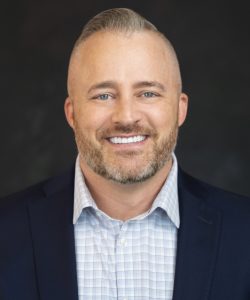
Bill Merren
President & CEO at America First Mortgage · NMLS #196091
Bill, a Las Vegas native, attended Durango High School, where he excelled in athletics and earned an academic scholarship to attend UNLV after serving six years in the U.S. Army. Bill and his wife are active parents, raising their four sons and often spending weekends at various sports fields or enjoying outdoor activities around Vegas
Specializes in: VA loans
Non QM Loans
Reverse Mortgage
Licensed in: AZ, CO, FL, ID, NV, TX
Related Posts


