Traditional mortgage rules can feel limiting if your income or documentation doesn’t fit the standard…
Reverse Mortgages: How Nevada Homeowners 62+ Can Tap Home Equity with Confidence
Owning a home in retirement brings peace of mind, but rising living costs and healthcare expenses can add financial pressure. A reverse mortgage is a special type of loan that allows homeowners aged 62 and older to convert a portion of their home equity into tax-free cash without selling their property or making monthly mortgage payments. In this guide, we’ll explain how reverse mortgages work, who qualifies in Nevada and surrounding states, and what you should know before deciding if this loan solution fits your retirement strategy.
Key Takeaways
- Purpose: Reverse mortgages let eligible homeowners convert home equity into accessible cash while retaining ownership of their home.
- Eligibility: At least one borrower must be 62 or older, reside in the home as a primary residence, and meet financial/credit standards.
- Payout Options: Receive funds as a lump sum, monthly payments, or a line of credit—flexible to suit your needs.
- Best For: Homeowners seeking supplemental income, greater cash flow, or help managing expenses in retirement.
Quick Answers
- Do I lose ownership of my home with a reverse mortgage? No—your name remains on the title and you retain ownership, so long as you meet loan obligations.
- Are reverse mortgage proceeds taxable income? No—loan proceeds are not considered taxable income, though you should always verify with a licensed tax advisor based on your situation.
- What happens if I move out permanently? The reverse mortgage must be repaid, typically by selling the home or refinancing if you or your heirs want to keep it.
- Is the home passed to my heirs? Your heirs can inherit the home and will need to repay the reverse mortgage (usually through sale or refinance) if they wish to keep the property.
What Is a Reverse Mortgage?
A reverse mortgage is a federally insured loan program allowing homeowners aged 62 or older to tap their existing home equity for cash, while continuing to live in and own their home. Unlike a traditional mortgage where you make monthly payments, with a reverse mortgage, the lender pays you.
At America First Mortgage (NMLS# 2564858), we help Nevada seniors and homeowners in Arizona, Colorado, Florida, Idaho, and Texas explore reverse mortgage options tailored to their goals—whether that means funding healthcare, supplementing retirement income, or reducing financial strain.
How Does a Reverse Mortgage Work?
Reverse mortgages function differently than traditional loans. Here’s the main structure:
- You must be at least 62 years old and live in the property as your primary residence.
- You’ll generally need to own the home outright, or have a low remaining mortgage balance that can be paid off at closing with the reverse proceeds.
- Instead of making payments, the lender pays you based on your age, property value, and current rates.
- You continue to pay property taxes, homeowner’s insurance, and maintain the home. Failing to do so could trigger repayment of the loan.
- The loan comes due (must be repaid) when you sell the home, move out, or upon your passing.
Most reverse mortgages are Home Equity Conversion Mortgages (HECM), insured by the Federal Housing Administration. Other proprietary products exist for higher-value properties (so-called jumbo reverse mortgages).
Eligibility Requirements and Common Guidelines
To qualify for a reverse mortgage in Nevada and most states, you’ll generally need to meet these guidelines:
- Age: At least one borrower must be 62 or older.
- Primary residence: The home must be your main place of living (vacation or investment properties do not qualify).
- Sufficient equity: You should own your home outright or have significant equity. Existing mortgages are typically paid off with reverse proceeds.
- Property requirements: Most single-family homes, some condominiums, and FHA-approved properties may be eligible.
- Financial assessment: The lender reviews credit history and ability to continue paying taxes, insurance, and maintenance.
- Mandatory counseling: You must complete a HUD-approved counseling session before applying, ensuring you fully understand the program and alternatives.
How Can You Use Reverse Mortgage Funds?
Reverse mortgage proceeds are flexible. You can use them for:
- Monthly retirement income
- Healthcare or long-term care expenses
- Home renovations or accessibility improvements
- Paying off existing debts
- Building a cash reserve for unexpected expenses
- Helping family, if desired
You choose how to receive your funds: as a lump sum, monthly payout, line of credit, or a combination of these options.
Pros and Considerations of Reverse Mortgages
Benefits
- Stay in your home while accessing cash—you are not forced to move or sell.
- Repayment is deferred; no required monthly payments on the loan as long as you live in the home and meet ongoing obligations.
- Proceeds are generally not taxed as income.
- Flexible disbursement options to fit your changing needs.
- Non-recourse protection: You never owe more than the home’s value at loan maturity, even if the loan balance exceeds property value.
Points to Weigh Carefully
- The loan balance increases over time as interest and fees accumulate.
- Home equity decreases, which may reduce inheritance for your heirs.
- You must keep up with property taxes, insurance, and maintenance—or face risk of foreclosure.
- Not all homes qualify (e.g., vacation homes, some condos).
- May impact eligibility for certain means-tested government benefits. Always review with your advisor.
Step-by-Step: Reverse Mortgage Process in Nevada
- Assess your goals: Determine if you want extra cash flow, a safety net, or to pay off an existing mortgage. Decide what role home equity should play in your retirement plan.
- Connect with a licensed mortgage expert: Discuss your eligibility and local requirements (Clark County, Las Vegas, Henderson, Boulder City, Summerlin, and other Nevada communities each have their own property market traits).
- Complete counseling: Attend the required counseling session from a HUD-approved agency for unbiased guidance and understanding.
- Application and appraisal: Submit your application, then schedule a home appraisal to determine property value and how much equity is available.
- Processing and underwriting: Your credit, property status, and ability to meet ongoing obligations are reviewed.
- Loan closing: Once approved, select your payout method and sign closing documents. If you have an existing mortgage, it’s paid off first.
- Receive your funds: Use the proceeds as you wish, while remaining in the home and meeting your reverse mortgage responsibilities.
Comparing Reverse Mortgages to Other Home Equity Solutions
| Program | Age Requirement | Monthly Payments Required | Access to Funds | Impact on Heirs |
|---|---|---|---|---|
| Reverse Mortgage (HECM) | 62+ | Not required | Lump sum, monthly, or line of credit | Loan must be repaid; heirs may keep or sell |
| Home Equity Line of Credit (HELOC) | Varies | Required (interest only or principal + interest) | As needed, up to limit | Outstanding balance must be repaid |
| Cash-Out Refinance | Varies | Required (principal + interest) | Lump sum | Mortgage balance must be repaid |
Is a Reverse Mortgage Right for You?
This is a very personal decision that depends on your goals, finances, and family plans. Consider:
- Your income sources, investments, and other assets
- If you want to stay long-term in your home
- Estate planning and inheritance wishes
- Your ability to meet property tax, insurance, and upkeep obligations
Consult with trusted financial or legal advisors. If you’re in Las Vegas, Henderson, Boulder City, Summerlin, or surrounding Nevada areas and want an experienced, locally based, veteran-owned team to walk you through your options, we’re ready to help.
Next Steps: Discuss Your Reverse Mortgage Options Today
If you or a family member is considering a reverse mortgage, pre-approval and personalized planning are essential. Our team at America First Mortgage brings over two decades of expertise to every conversation, guiding Nevada homeowners—and those in Arizona, Colorado, Florida, Idaho, and Texas—through choices that fit their situation.
Call, text, or email us to review your scenario, compare strategies, and understand the steps. We’ll help you get clarity about your eligibility, the process, and whether a reverse mortgage is the right fit for your goals.
Frequently Asked Questions
Will I have to repay the reverse mortgage if my home’s value drops?
No, with a federally insured reverse mortgage (HECM), you or your heirs never owe more than the home’s current value when the loan is repaid, even if your loan balance is higher.
Can I sell my home or move if I have a reverse mortgage?
Yes, you can sell your home at any time. The reverse mortgage must be repaid at sale, using the proceeds. If you permanently move out, the loan becomes due as well.
Will I still be responsible for taxes and insurance with a reverse mortgage?
Yes, homeowners must continue to pay property taxes, homeowners insurance, and maintain the home. Failing to meet these obligations could put the loan in default.
Can I outlive my reverse mortgage?
No, you cannot outlive a reverse mortgage. As long as at least one borrower lives in the home and complies with loan terms, the loan stays in effect regardless of your age or the loan balance.
How do I start the reverse mortgage process?
Start by speaking to a licensed mortgage expert experienced in Nevada. They’ll walk you through eligibility, paperwork, and connect you with HUD-approved counseling to review options before applying.
This is educational and not financial advice. Loan programs and guidelines can change. Talk with a licensed mortgage professional about your specific scenario.
About the Author
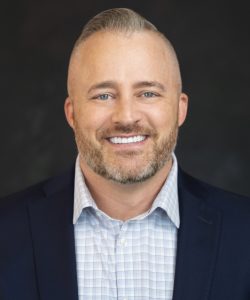
Bill Merren
President & CEO at America First Mortgage · NMLS #196091
Bill, a Las Vegas native, attended Durango High School, where he excelled in athletics and earned an academic scholarship to attend UNLV after serving six years in the U.S. Army. Bill and his wife are active parents, raising their four sons and often spending weekends at various sports fields or enjoying outdoor activities around Vegas
Specializes in: VA loans
Non QM Loans
Reverse Mortgage
Licensed in: AZ, CO, FL, ID, NV, TX
Related Posts