
Reverse Mortgages: What You Need to Know Before Retiring in Nevada
Retiring in Nevada offers flexibility and opportunity, but deciding how to finance your later years—especially when it comes to tapping into home equity—can feel complex. A reverse mortgage is a loan that lets homeowners aged 62 or older convert part of their home’s equity into cash, typically without the need to make monthly mortgage payments while they live in the home. In this guide, you’ll learn how reverse mortgages work, what’s required to qualify in Nevada, and key considerations before making this important financial decision.
Key Takeaways
- Purpose: Converts a portion of your home equity into accessible funds for retirement needs.
- Eligibility: Homeowners must be at least 62 years old, live in the home as their primary residence, and meet property condition and equity requirements.
- Repayment: The loan is repaid when you sell the home, move out, or pass away; you remain responsible for taxes and insurance.
- Ideal For: Retirees in Nevada seeking to supplement income or pay off existing mortgages without monthly payments.
Quick Answers
- Do I give up ownership of my home with a reverse mortgage? No, you retain the title as long as you live in and maintain the property.
- Will a reverse mortgage impact my retirement benefits? Proceeds generally do not affect Social Security or Medicare, but could influence Medicaid eligibility.
- Can I use the funds from a reverse mortgage for any purpose? Yes, funds can be used for any needs—covering living expenses, healthcare, home repairs, or debt payoff.
- Are there closing costs with a reverse mortgage? Yes, similar to traditional mortgages, fees apply and should be carefully reviewed with your lender.
How Does a Reverse Mortgage Work?
A reverse mortgage allows eligible Nevada homeowners to access their home equity without monthly repayment obligations while residing in their home. Instead of making payments, the lender makes funds available to you—either as a lump sum, monthly payments, line of credit, or combination. The amount you can borrow typically depends on your age, home value, current interest rates, and specific program guidelines.
The most common reverse mortgage is the Home Equity Conversion Mortgage (HECM), which is federally insured and widely used throughout Nevada, including communities like Henderson, Summerlin, and beyond. Private or jumbo reverse mortgages may also be available for higher-value properties.
The team at America First Mortgage (NMLS# 2564858) specializes in helping Nevada retirees evaluate options and understand the long-term impact of using a reverse mortgage as part of their retirement planning strategy.
Who Qualifies for a Reverse Mortgage?
To be eligible for a reverse mortgage in Nevada (and throughout the U.S.), borrowers must meet several important requirements:
- Age: At least one homeowner must be 62 years old or older.
- Home Ownership: You must own your home outright or have sufficient equity (typically over 50%).
- Residence: The property must be your primary residence.
- Property Types: Eligible properties include most single-family homes, approved condos, townhomes, and qualifying multi-unit properties (up to 4 units, if you live in one).
- Financial Assessment: Lenders will review your ability to pay property taxes, homeowners insurance, HOA dues, and keep the home maintained.
- Mandatory Counseling: HUD-approved reverse mortgage counseling is required before applying to ensure you fully understand terms and obligations.
Keep in mind, these are general requirements. Guidelines and available programs can change, so it’s important to work with a reputable, licensed mortgage broker with experience in senior lending.
Reverse Mortgage Options in Nevada
Nevada homeowners are typically offered two main reverse mortgage types:
| Program | Key Features | Who It’s For |
|---|---|---|
| HECM (Home Equity Conversion Mortgage) | Federally insured; flexible disbursement options; subject to federal limits and property requirements | Most Nevada retirees; standard homes and condos |
| Jumbo/Proprietary Reverse | For higher-value homes exceeding HECM limits; not FHA-insured; different terms | Owners of luxury or higher-value homes in markets like Summerlin, Green Valley |
If your home’s value exceeds conforming limits, ask about jumbo or proprietary reverse mortgages for tailored options.
How Are Funds from a Reverse Mortgage Paid Out?
When you qualify for a reverse mortgage, you decide how to access your funds:
- Lump Sum: One-time disbursement at closing.
- Monthly Payments: Scheduled payments to supplement retirement income.
- Line of Credit: Access as needed, paying interest only on what you draw.
- Combination: Mix of the above, based on your financial needs and loan terms.
Your choice can impact how much you receive, so it’s vital to review each option in the context of your larger retirement strategy.
When Is the Loan Due and What Happens to the Home?
A reverse mortgage becomes due and payable when the last borrower or eligible non-borrowing spouse sells the property, moves out, or passes away. At that point, the home is typically sold to repay the loan—any remaining equity belongs to you or your heirs. If market values shift and the home isn’t worth the full loan amount, HECM loans are non-recourse, which means neither you nor your heirs will owe more than the home’s value at sale.
If heirs wish to keep the home instead of selling, they generally need to repay the balance (often by refinancing the loan). Consult with an experienced mortgage professional and financial advisor to understand how this fits your estate planning.
Responsibilities and Ongoing Costs
While you don’t make monthly mortgage payments on a reverse mortgage, you must:
- Pay all property taxes and keep homeowner’s insurance current
- Cover any HOA fees or special assessments
- Maintain the home in good condition
Failure to fulfill these requirements can lead to foreclosure, so it’s important to budget for these ongoing costs and discuss plans with family members.
Pros and Cons of Reverse Mortgages for Nevada Retirees
| Pros | Cons |
|---|---|
|
|
Comparing Reverse Mortgage Alternatives
A reverse mortgage isn’t the only way to leverage your home’s value. For some, a HELOC home loan or even a bank statement loan could be more appropriate, depending on income streams and future plans. Each has unique requirements, repayment terms, and advantages for different financial situations.
Consulting with a local mortgage broker experienced in Nevada’s unique real estate market—including popular areas like Summerlin, Green Valley, and Henderson—can help you choose the right strategy for your next chapter.
Ready to Explore Your Options?
Reverse mortgages can be a powerful tool for Nevada retirees looking to stay in their home while improving cash flow. Before making a decision, review all your options—including alternatives like HELOC loans —and speak with a knowledgeable, licensed mortgage professional. Call, text, or email us at America First Mortgage to review your personal scenario, compare your available options, and get clarity on pre-approval planning and next steps.
Frequently Asked Questions
Do you still own your home with a reverse mortgage?
Yes, you remain the owner and stay on the property title as long as you live in the home and continue to meet all program requirements.
What happens to my reverse mortgage if I move to assisted living?
If you permanently move out, including to assisted living, the reverse mortgage is typically due. You or your heirs can sell the home or pay off the balance to satisfy the loan.
Are reverse mortgage proceeds taxable in Nevada?
Reverse mortgage funds are generally considered loan proceeds and are not taxable. However, consult with a tax advisor about your unique situation.
How much of my equity can I access with a reverse mortgage?
The amount varies based on your age, property value, and current interest rates. Overall, older borrowers with more equity may access a larger portion.
Can I pay off an existing regular mortgage with a reverse mortgage?
Yes, many use reverse mortgages to pay off their remaining conventional mortgage, eliminating required monthly mortgage payments and improving cash flow in retirement.
This is educational and not financial advice. Loan programs and guidelines can change. Talk with a licensed mortgage professional about your specific scenario.
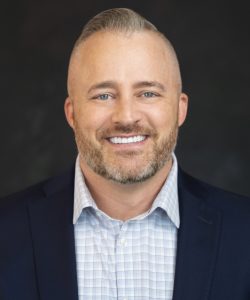
Bill Merren
Bill, a Las Vegas native, attended Durango High School, where he excelled in athletics and earned an academic scholarship to attend UNLV after serving six years in the U.S. Army. Bill and his wife are active parents, raising their four sons and often spending weekends at various sports fields or enjoying outdoor activities around Vegas
Related Posts