Running a business or working for yourself can be incredibly rewarding, but when it comes…

Reverse Mortgages: Key Factors Nevada Homeowners Should Consider Before Applying
Nevada homeowners nearing retirement often wonder how to tap into their home’s equity without giving up ownership or taking on new monthly payments. A reverse mortgage is a loan that allows homeowners age 62 and over to convert part of their home’s equity into cash, without selling the property or making monthly mortgage payments. In this article, we’ll explain how reverse mortgages work, who might benefit, and what to weigh before deciding if this loan type fits your situation in Las Vegas, Henderson, or anywhere in Nevada.
Key Takeaways
- Purpose: Provides homeowners age 62+ access to home equity as tax-free cash, monthly payments, or a line of credit—without selling their home.
- Eligibility: Must live in the home as your primary residence, meet age and equity requirements, and complete HUD-approved counseling.
- Repayment: No monthly payments required; loan is repaid when the borrower sells, moves out permanently, or passes away.
- Best For: Nevada retirees or seniors with substantial home equity who wish to supplement retirement funds or cover major expenses while remaining in their home.
Quick Answers: Reverse Mortgages in Nevada
- Do reverse mortgage borrowers lose ownership of their home?
No, you still own your home as long as you meet loan terms such as property taxes, insurance, and living in the home. - Can heirs keep the property?
Yes, heirs may pay off the reverse mortgage (typically by selling or refinancing) to retain the home—otherwise, the lender will sell the property to settle the balance. - What fees are involved?
Expect standard mortgage fees like origination, appraisal, and closing costs—these may be paid upfront or rolled into the loan balance, varying by lender and scenario. - Can I outlive a reverse mortgage?
No; as long as you comply with loan obligations, you cannot be asked to leave or repay early, even if you live much longer than expected.
What Is a Reverse Mortgage?
A reverse mortgage is a federally insured loan program designed for homeowners age 62 or older, allowing them to borrow against their home’s equity without monthly repayment obligations. The most common type is the Home Equity Conversion Mortgage (HECM), backed by the Federal Housing Administration (FHA). This program is popular in Nevada communities like Summerlin, Henderson, and Green Valley—especially among retirees looking to preserve their lifestyle while accessing funds for living expenses, healthcare, or home upgrades.
How Does It Work?
- You convert part of your home’s equity into cash, a line of credit, or regular monthly payments.
- You maintain ownership and must keep up with property taxes, insurance, and any HOA dues.
- No monthly payments are required on the loan itself.
- The loan balance grows over time and is repaid when you sell, move out, or pass away.
Reverse Mortgage Eligibility: Who Qualifies?
There are several key requirements for reverse mortgages in Clark County and across Nevada. To qualify for a HECM reverse mortgage:
- You must be at least 62 years old (both spouses, if both are on the loan).
- The home must be your primary residence—a single-family property, certain condos, or FHA-approved manufactured homes.
- You should have significant equity—commonly, at least 50% ownership (guidelines vary; ask us about your exact scenario).
- You must remain up to date on property taxes, homeowners insurance, and HOA dues.
- You need to complete a HUD-approved counseling session to review the loan’s risks and responsibilities.
Credit history and income are reviewed, but qualifying is often less rigid than with traditional mortgages. Reverse mortgages may not be ideal for homes in poor condition or those used as investment properties.
How Much Can You Borrow with a Reverse Mortgage?
The amount available depends on your age, the appraised home value, and current HECM lending limits (which vary by county). Older borrowers and those with higher equity generally qualify for more. Discuss your home and your goals with a licensed expert to estimate potential funds.
Ways to Receive Reverse Mortgage Proceeds
- Lump sum: A single payment at closing (with some limitations).
- Monthly advances: Regular payments to supplement income, for a set period or as long as you live in the home.
- Line of credit: Withdraw funds as needed, with unused amounts potentially growing over time.
- Combination: Customize with a mix of the above to fit your needs.
Typical Reverse Mortgage Process & Timeline
- Counseling: Complete HUD-approved counseling (required, typically 1–2 hours).
- Application: Work with a licensed Nevada mortgage broker to formally apply—gather documentation and disclosures.
- Appraisal & Processing: Home is appraised; lender reviews qualifications and property condition.
- Closing: Final numbers and documents are signed. You can often receive proceeds within two to four weeks of application, though complex scenarios may take longer.
Pros & Cons of Reverse Mortgages
| Pros | Cons |
|---|---|
| Stay in your home and keep ownership | Loan balance grows as interest accrues |
| No required monthly mortgage payments | Fees and closing costs can be higher than traditional loans |
| Flexible payment options: lump sum, monthly, or line of credit | Reduced equity for heirs, home eventually sold if not repaid |
| No repayment until you sell, move out, or pass away | You must keep up with taxes, insurance, and home maintenance |
Is a Reverse Mortgage Right for You?
Reverse mortgages are especially well-suited for:
- Homeowners age 62+ in areas like Las Vegas, Summerlin, or Henderson with substantial home equity
- Retirees needing extra income, but wishing to stay in their current home
- Seniors with fixed retirement income looking to pay for healthcare, home improvements, or big expenses
- Those without heirs needing the property, or who have discussed options with their family
However, if you plan to move soon, want to leave your home and its full value to heirs, or are unable to maintain property obligations, consider other options such as selling, refinancing, or a HELOC.
Comparing Reverse Mortgages to Other Equity Options
| Option | Key Features | Typical Uses |
|---|---|---|
| Reverse Mortgage (HECM) | No monthly payments, flexible payouts, age 62+, must live in home | Supplement retirement, stay in home, healthcare costs |
| HELOC (Home Equity Line of Credit) | Borrow as needed, monthly payments required, usually lower fees | Home renovations, short-term needs, flexible access |
| Cash-Out Refinance | Gets lump sum, monthly payments on new loan, can reset loan term | Large expenses, debt consolidation |
What Happens When You Leave the Home?
The reverse mortgage becomes due and payable if you permanently move out, sell the home, or pass away. Normally, your heirs may repay the balance to keep the house or sell to pay off the loan. They will never owe more than the home’s value at sale, even if the loan balance exceeds it. Remaining equity (if any) goes to you or your heirs after the loan is settled.
Common Reverse Mortgage Misconceptions
- Myth: “The bank will take my home.”
Fact: You and your heirs still own the home, provided loan terms (occupancy, taxes, insurance) are met. - Myth: “I could get evicted at any time.”
Fact: As long as you comply with requirements, your housing is secure. - Myth: “I can’t pass anything to my family.”
Fact: Heirs can keep the home by repaying the loan, or receive any remaining equity after sale.
Next Steps: Is a Reverse Mortgage Smart for You?
If you’re a Nevada homeowner considering a reverse mortgage—or if you help parents or relatives explore their options—talk with a licensed, experienced Nevada mortgage broker. We’ll help you:
- Clarify eligibility and estimate the funds you could access
- Compare reverse mortgages to other equity tools like HELOCs or cash-out refinancing
- Understand repayment obligations, costs, and impact on heirs
- Connect you to required HUD counseling and walk you through the full process
If you’re planning ahead for retirement security, or looking for financial flexibility while remaining in your home, let’s have a conversation. Call, text, or email America First Mortgage to review your scenario, compare options, and discuss pre-approval planning for the next chapter in your homeownership journey.
Frequently Asked Questions
Will I lose my home if I get a reverse mortgage?
No. You remain the owner of your home as long as you meet your loan obligations, such as paying property taxes and maintaining the property as your primary residence.
Can I still leave my home to my heirs?
Yes. Your heirs can keep the property by paying off the reverse mortgage balance—usually by refinancing or selling the home. If they sell, any leftover equity goes to your estate.
How much does a reverse mortgage cost?
Costs often include origination, appraisal, counseling, and closing fees. These can usually be financed into your loan amount, but exact costs vary—review your scenario with a licensed lender for details.
What happens if I move out or sell my home?
The loan becomes due, and the balance must be repaid from the sale or by your heirs. If the home value exceeds the loan, you or your heirs receive any remaining equity.
Can I get a reverse mortgage if I still owe money on my home?
Yes. The reverse mortgage will pay off your existing mortgage first, and any remaining proceeds are available to you. The amount you can access depends on your equity, age, and current program limits.
This is educational and not financial advice. Loan programs and guidelines can change. Talk with a licensed mortgage professional about your specific scenario.
About the Author
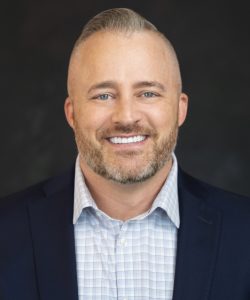
Bill Merren
President & CEO at America First Mortgage · NMLS #196091
Bill, a Las Vegas native, attended Durango High School, where he excelled in athletics and earned an academic scholarship to attend UNLV after serving six years in the U.S. Army. Bill and his wife are active parents, raising their four sons and often spending weekends at various sports fields or enjoying outdoor activities around Vegas
Specializes in: VA loans
Non QM Loans
Reverse Mortgage
Licensed in: AZ, CO, FL, ID, NV, TX
Related Posts