Whether this is your first or tenth home purchase, shopping for a new home is…

Reverse Mortgages: How to Access Home Equity in Retirement
Reaching retirement age often brings important questions about how to manage living expenses, healthcare, and maintaining financial independence. A reverse mortgage is a loan that allows homeowners age 62 or older to convert part of their home equity into cash without monthly mortgage payments, as long as they live in the home and meet ongoing requirements. In this guide, we’ll break down how reverse mortgages work, typical eligibility requirements, key benefits and risks, and practical steps for homeowners in Nevada and neighboring states considering this option.
Key Takeaways
- Purpose: Reverse mortgages provide homeowners age 62+ with access to home equity as cash, a line of credit, or monthly installments.
- Eligibility: You typically need to be at least 62, have significant equity in a primary residence, and continue paying property charges like taxes and insurance.
- Repayment: The loan does not require monthly payments while you live in the home; repayment happens when you move, sell, or pass away.
- Best For: Retirees seeking tax-free supplemental funds for living expenses, debt payoff, or healthcare without selling their home.
Quick Answers: Common Reverse Mortgage Questions
- What is a reverse mortgage? It’s a loan for homeowners 62+ allowing them to turn part of their home equity into usable cash without monthly payments, as long as requirements are met.
- Do I lose my home with a reverse mortgage? No, you continue to own your home and need to maintain it, pay taxes, insurance, and HOA dues while living there.
- When do I have to repay a reverse mortgage? Repayment is due when you move, sell the home, or pass away. At that time, the loan and interest must be paid off, often through the sale of the property.
- How much can I get? The amount depends on your age, home value, current interest rates, and type of reverse mortgage, and is subject to lending limits.
How a Reverse Mortgage Works
With a reverse mortgage, eligible homeowners can access a portion of their home’s equity without selling, downsizing, or taking on a new monthly mortgage payment. The most common reverse mortgage is the Home Equity Conversion Mortgage (HECM), which is backed by the Federal Housing Administration (FHA). Funds from a reverse mortgage can be received as a lump sum, monthly payments, a line of credit, or some combination of these options. The loan balance increases over time as you receive payments and as interest accrues, but no repayment is required until a maturity event occurs.
Key Features
- Eligibility: At least one homeowner must be 62 or older, the home must be the primary residence, and you must have significant equity (typically at least 50%).
- Types of Homes: Single-family homes, certain condos, and FHA-approved townhomes often qualify; vacation homes and investment properties do not.
- Loan Payout Options: Lump sum, monthly payments, line of credit, or a combination.
- Ongoing Obligations: You must pay property taxes, homeowner’s insurance, HOA dues, and keep the property in good condition.
- Non-Recourse Loan: You (or your heirs) will never owe more than the home is worth at time of sale, even if the loan balance surpasses the value.
Who Should Consider a Reverse Mortgage?
Reverse mortgages suit homeowners who are:
- Of retirement age (62+), planning to remain in their home as a primary residence
- Have substantial equity and want to avoid monthly loan payments
- Seeking funds for healthcare, living expenses, home modifications, or debt payoff
- Aiming to supplement retirement accounts and Social Security
They are especially valuable for those in Nevada’s active adult communities, parts of Florida’s retirement destinations, or the growing number of retirees settling in states like Arizona, Texas, and Idaho. Self-employed retirees and veterans—two groups who often have significant home equity but may want to avoid liquidating investments—may also benefit.
Benefits of a Reverse Mortgage
- Tax-free cash flow: Proceeds are generally not taxed as income (confirm with a tax advisor)
- No monthly mortgage payment required: Reduces cash outflow obligations
- Flexible access: Use funds for emergencies, healthcare, home repairs, or lifestyle needs
- You keep your home: Maintain ownership and occupancy as long as you meet program requirements
- Non-recourse protection: Heirs are not personally liable for loan amounts beyond the home value
Potential Drawbacks to Consider
- Fees and closing costs are typically higher than standard loans and are often rolled into the loan balance
- Your home equity decreases over time as the loan balance grows
- Heirs inherit less equity, as repayment is required after you move out or die
- Failure to keep up with property tax, insurance, or maintenance can result in default or foreclosure
We always recommend a detailed review of your financial goals and an open discussion with family or heirs before committing to a reverse mortgage.
Reverse Mortgage Eligibility Requirements
At America First Mortgage (NMLS# 2564858), our team specializes in helping homeowners and their families assess the eligibility requirements and benefits of reverse mortgages. Key requirements generally include:
- At least one borrower age 62 or older
- Home used as primary residence (not a rental, second home, or vacation property)
- Sufficient home equity (exact amount varies, but usually 50% or more)
- Ability to pay ongoing property charges (taxes, insurance, HOA dues, upkeep)
- Mandatory counseling session with an independent, HUD-approved reverse mortgage counselor
Property Types That Qualify
- Single-family homes
- FHA-approved condominiums
- Certain manufactured homes built after 1976 (check current FHA guidelines)
- Owner-occupied 2-to-4 unit homes
Check with your mortgage professional to confirm if your property type is eligible under current program rules.
How Much Can I Borrow with a Reverse Mortgage?
The borrowing amount depends on your age, home’s appraised value, current interest rates, and the specific reverse mortgage product. Generally, the older you are and the more equity you have, the more you can access. There are lending limits and guidelines set by FHA and private reverse mortgage programs, which are subject to change.
| Factor | Impact on Loan Amount |
|---|---|
| Borrower Age | Older age means a higher allowable loan percentage |
| Home Value | Higher value can increase the loan amount, subject to program limits |
| Interest Rates | Lower current market rates allow for increased borrowing |
| Equity | More equity typically means more borrowing power |
Reverse Mortgage vs. HELOC or Cash-Out Refinance
| Feature | Reverse Mortgage | HELOC / Cash-Out Refi |
|---|---|---|
| Monthly Payments Required? | No (while living in home, meeting program rules) | Yes |
| Age Requirement | 62+ | No age minimum (subject to credit and income) |
| Income/Employment Needed? | Typically No | Yes |
| Use of Funds | Any purpose | Any purpose |
| Best For | Retirees with high equity and fixed income | Borrowers needing larger sums, able to repay monthly |
Steps to Getting a Reverse Mortgage
- Consultation: Speak with a licensed mortgage professional familiar with Nevada (and your state if relocating) to review your goals and see if a reverse mortgage is a good fit.
- Required Counseling: Attend HUD-approved counseling to ensure you understand rules, costs, and alternatives.
- Application & Documentation: Provide identity and financial information. The home will need to be appraised for current market value.
- Loan Estimate & Disclosures: Review all required disclosures, costs, and terms prior to proceeding.
- Closing: Sign final documents; funds are disbursed as a lump sum, monthly payouts, or a line of credit.
- Ongoing Obligations: Stay current on taxes, insurance, HOA, and maintain the property. Stay in touch with your lender.
Should You Use a Reverse Mortgage?
The right choice depends on your needs, home goals, and legacy planning. Reverse mortgages are best for those who plan to age in place and value steady access to extra funds. If a move is likely soon, or if passing the home equity to heirs is the top priority, other options may be better. Always discuss your scenario in detail with a trusted mortgage professional, and consult family and financial advisors before making a decision.
Ready to Learn More or Review Your Options?
Understanding your home equity options in retirement can provide tremendous peace of mind. If you’re in Nevada, Arizona, Colorado, Florida, Idaho, or Texas, reach out to our experienced team for a personalized review. Call, text, or email us to compare reverse mortgage options, see how much you may qualify for, and clarify the next steps—including pre-approval planning if you’re evaluating several strategies for retirement cash flow. We’re here to help you make informed, confident decisions about your future.
Frequently Asked Questions
Will I lose ownership of my home with a reverse mortgage?
No, you remain the legal owner of your home. You are required to keep up with property taxes, insurance, and maintenance to stay in compliance with the loan terms.
What happens if I move out or pass away?
The reverse mortgage becomes due when you move out of the home for more than 12 months, sell the property, or pass away. At that point, the loan (plus accrued interest and fees) is typically repaid from the sale of the home, with remaining equity going to your heirs.
Are reverse mortgages only for people with paid-off homes?
No, you do not need to own your home free and clear. You must have enough equity—usually at least 50% or more—so the reverse mortgage can pay off any remaining mortgage balance at closing.
How do reverse mortgage funds get paid out?
You can usually choose a lump sum, monthly payments, a line of credit, or a combination, depending on your needs and loan terms. These payout options are flexible to help support your retirement goals.
What are my ongoing responsibilities with a reverse mortgage?
You must continue to use the home as your primary residence, pay property taxes, homeowners insurance, and any HOA dues, and keep the home in good repair. Failure to meet these obligations can lead to default.
This is educational and not financial advice. Loan programs and guidelines can change. Talk with a licensed mortgage professional about your specific scenario.
About the Author
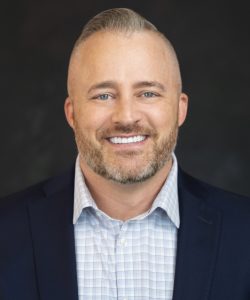
Bill Merren
President & CEO at America First Mortgage · NMLS #196091
Bill, a Las Vegas native, attended Durango High School, where he excelled in athletics and earned an academic scholarship to attend UNLV after serving six years in the U.S. Army. Bill and his wife are active parents, raising their four sons and often spending weekends at various sports fields or enjoying outdoor activities around Vegas
Specializes in: VA loans
Non QM Loans
Reverse Mortgage
Licensed in: AZ, CO, FL, ID, NV, TX
Related Posts