Traditional mortgage rules can feel limiting if your income or documentation doesn’t fit the standard…

Reverse Mortgage Myths: What Nevada Homeowners Need to Know
Considering a reverse mortgage can bring up plenty of questions and uncertainties for Nevada homeowners.
A reverse mortgage is a loan that allows homeowners age 62 and older to convert a portion of their home equity into tax-free funds, with no required monthly mortgage payments as long as the home remains their primary residence.
In this article, we’ll cut through common misunderstandings about reverse mortgages, provide straightforward facts, and help you decide whether this option fits your financial goals in Nevada and nearby states.
Key Takeaways
- Purpose: Lets eligible homeowners tap into their home equity without selling or making monthly payments (while living in the home).
- Eligibility: Typically available to homeowners age 62+ with adequate home equity, subject to property and loan guidelines.
- Repayment: The loan is repaid when you move out, sell the home, or pass away—never with required monthly mortgage payments while you live there.
- Best For: Homeowners seeking to supplement retirement income, pay off existing mortgages, or cover major expenses.
Quick Answers: Reverse Mortgage Misconceptions
- Can I lose my home with a reverse mortgage? Not if you meet loan requirements such as paying property taxes, homeowners insurance, and living in the home as your primary residence.
- Will my heirs be stuck with debt? No—reverse mortgages are non-recourse loans, so neither you nor your heirs owe more than the home’s value at sale.
- Do I lose ownership of my home? No, you remain the titled owner and can sell the home or refinance as you wish.
- Are reverse mortgages only a last resort? Not necessarily. Many use them as a strategic tool in retirement planning.
Understanding the Basics: What Is a Reverse Mortgage?
A reverse mortgage is a unique loan primarily for homeowners age 62 and up that enables them to access a percentage of their home’s equity as cash, a line of credit, or monthly payments—without ever requiring a monthly mortgage payment as long as key obligations are met.
The most common type is the FHA-insured Home Equity Conversion Mortgage (HECM), but there are also proprietary ‘jumbo’ reverse mortgage options for higher-value properties. In Nevada—especially areas like Las Vegas, Henderson, and Summerlin—these loans may be used to pay off an existing traditional mortgage, supplement income, or cover unexpected expenses.
The team at America First Mortgage (NMLS# 2564858) specializes in helping homeowners across Nevada, Arizona, Colorado, Florida, Idaho, and Texas explore whether a reverse mortgage aligns with their goals.
Top 7 Reverse Mortgage Myths Debunked
1. “The Bank Takes My House if I Get a Reverse Mortgage”
This is one of the biggest misconceptions. You remain the legal owner of your home with a reverse mortgage—you just have a loan secured by the equity, much like a traditional mortgage. The lender only becomes involved if you permanently move out, pass away, or fail to meet requirements like paying property taxes and homeowners insurance.
2. “My Heirs Will Be Saddled with Debt”
A reverse mortgage is a non-recourse loan—no one (including your heirs) will owe more than your home is worth when it’s sold to repay the balance. If the home sells for less than the loan balance at the end, FHA insurance (for HECM loans) covers the difference, protecting your heirs from additional financial burden.
3. “I Can’t Leave My Home to My Children”
Your home is still part of your estate and can be inherited. Your heirs can choose to sell the home, pay off the reverse mortgage, or refinance it if they wish to keep it. The choice is theirs—the lender simply needs to be repaid the outstanding balance.
4. “I’ll Lose My Government Benefits”
Funds from a reverse mortgage are loan proceeds, not income—so programs like Social Security and Medicare are not affected. However, need-based programs such as Medicaid or Supplemental Security Income (SSI) could be impacted if you retain excess cash in your bank account. It’s best to consult an experienced advisor about your specific situation.
5. “Reverse Mortgages Are Too Expensive”
Reverse mortgages come with up-front and ongoing costs, similar to other loans. These typically include origination fees, mortgage insurance premiums, and traditional closing costs, all of which can be financed into the loan amount. In Nevada and neighboring states, closing costs may vary, and it’s important to review a detailed cost breakdown with your lender.
6. “I Have to Take All the Money at Once”
You have options on how to receive funds: a single lump sum, a line of credit (which can grow over time), monthly payments, or a combination. The best strategy depends on your goals and financial plan.
7. “I Must Own My Home Free and Clear”
You do not need to be mortgage-free to qualify. If you have an existing mortgage, the reverse mortgage must pay it off first—any remaining funds are then available to you.
Reverse Mortgage Requirements: Am I Eligible?
- Age: You (and any co-borrowers) must be at least 62 years old.
- Equity: You need significant home equity—how much varies by loan type and home value.
- Property Type: Owner-occupied single-family homes, FHA-approved condos, and some manufactured homes qualify.
- Financial Assessment: Lenders assess your credit, income, and ability to pay homeowners insurance, property taxes, and maintain the property.
Guidelines can vary, so we recommend contacting a local expert for up-to-date qualification requirements in areas like Henderson, Summerlin, or North Las Vegas.
What Happens When the Loan Ends?
A reverse mortgage must be repaid if you move out permanently, sell the home, or pass away. Repayment generally comes from the home’s sale—neither you nor your estate will owe more than market value at the time of sale.
If your heirs want to keep the home, they can pay off the loan balance (often by refinancing the mortgage into a traditional loan, if they qualify). Any remaining equity after repaying the reverse mortgage belongs to you or your estate.
Comparing Reverse Mortgages to Other Options
| Loan Type | Monthly Payments Required | Primary Feature | Typical Borrower |
|---|---|---|---|
| Reverse Mortgage (HECM) | No (must pay taxes/insurance and maintain property) | Access equity, no monthly mortgage payments | Homeowners age 62+, often seeking retirement cash-flow |
| HELOC | Yes (interest-only or principal & interest) | Flexible draw/repayment, credit line based on equity | Various ages, equity homeowners with steady income |
| Refinance | Yes | Replace existing mortgage, possibly tap equity | Homeowners seeking lower rate or cash out |
Is a Reverse Mortgage the Right Move for You?
Reverse mortgages can be a valuable source of retirement funds—especially for those with significant home equity but less in liquid savings. However, this is a complex decision: The right choice depends on your goals, other assets, inheritance plans, and willingness to meet loan obligations like staying current on taxes and maintenance.
They are not a fit for everyone, and we recommend careful review with a licensed mortgage professional familiar with Nevada laws and community nuances—from bustling Las Vegas to Boulder City’s quieter neighborhoods.
Ready to Explore Your Options?
If you’re a Nevada homeowner (or reside in Arizona, Colorado, Florida, Idaho, or Texas) and want to see if a reverse mortgage could support your retirement goals or free up monthly cash-flow, reach out to us today. Our experienced team can walk you through requirements, compare options—including HELOCs and other equity solutions—and help you understand the pre-approval process for any scenario.
Call, text, or email Bill Merren at America First Mortgage to schedule a no-pressure consultation and take the first step toward clarity and control over your home equity.
Frequently Asked Questions
How is a reverse mortgage different from a traditional mortgage?
Unlike a traditional mortgage, a reverse mortgage does not require monthly payments as long as the borrower lives in the home and meets ongoing obligations. The loan balance is typically repaid when the home is sold or no longer used as a primary residence.
Can I use a reverse mortgage to pay off my current home loan?
Yes, one of the main uses of a reverse mortgage is to pay off an existing conventional mortgage, eliminating required monthly payments as long as you comply with all ongoing loan requirements.
Are reverse mortgage proceeds taxable?
No, the funds you receive from a reverse mortgage are considered loan proceeds, not income, so they are generally not taxable. However, individual tax situations may vary, so it's wise to consult a tax advisor.
What happens if the home value drops below the loan balance?
Reverse mortgages are non-recourse loans, meaning you or your heirs will never owe more than the home's current market value when the loan is due. FHA-insured HECM loans are protected by government insurance for this reason.
Can I still leave my home to my family with a reverse mortgage?
Yes, your home remains part of your estate. Your family can choose to sell the home, pay off the loan, or refinance to keep the property, subject to paying back the reverse mortgage balance.
This is educational and not financial advice. Loan programs and guidelines can change. Talk with a licensed mortgage professional about your specific scenario.
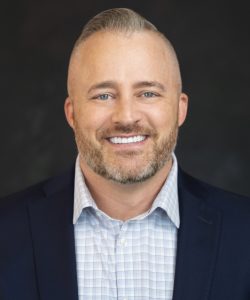
About the Author
Bill Merren
President & CEO at America First Mortgage · NMLS #196091
Bill, a Las Vegas native, attended Durango High School, where he excelled in athletics and earned an academic scholarship to attend UNLV after serving six years in the U.S. Army. Bill and his wife are active parents, raising their four sons and often spending weekends at various sports fields or enjoying outdoor activities around Vegas
Specializes in: VA loans
Non QM Loans
Reverse Mortgage
Licensed in: AZ, CO, FL, ID, NV, TX
Related Posts