Retiring in Nevada brings new opportunities, but managing your income and living expenses on a…
Reverse Mortgage FAQs: We Answer Your Top Questions About Senior Lending
Planning for retirement comes with plenty of questions, and deciding whether a reverse mortgage is right for you can feel overwhelming. A reverse mortgage is a special type of home loan that allows homeowners aged 62 or older to convert part of their home’s equity into usable cash—without having to make monthly mortgage payments. In this guide, we’ll explain how reverse mortgages work, who qualifies, the pros and cons, and address the questions we hear most from Nevada homeowners and beyond.
Key Takeaways
- Purpose: Allows qualifying homeowners to access home equity as cash for retirement, medical bills, or other needs.
- Eligibility: Homeowners typically must be 62 or older, have significant home equity, and live in the property as a primary residence.
- No Monthly Payments: Borrowers are not required to make monthly mortgage payments, but must pay property taxes, insurance, and maintain the home.
- Best For: Those seeking to supplement income, pay off debts, or manage retirement cash flow needs.
Quick Answers
- Do I still own my home with a reverse mortgage? Yes, you keep the title to your home—as long as you meet the loan requirements.
- What happens when I move out or pass away? The loan becomes due. Generally, the home is sold to repay the lender, but any remaining equity goes to you or your heirs.
- Is a reverse mortgage taxable income? No, the proceeds are considered a loan advance and are not taxable income; however, it’s best to consult a tax advisor.
- Can I use reverse mortgage funds for anything I want? Generally yes; common uses include supplementing retirement income, paying medical bills, or home repairs.
- Are there different types of reverse mortgages? Yes, the most common is the FHA-insured Home Equity Conversion Mortgage (HECM); there are also proprietary and single-purpose options.
What Is a Reverse Mortgage?
A reverse mortgage is a special loan for homeowners aged 62 or older, allowing them to withdraw part of the equity in their home as cash—without selling or moving out. Unlike a traditional mortgage, there are no required monthly principal or interest payments, and the loan is repaid when the borrower sells the home, moves out, or passes away.
At America First Mortgage (NMLS# 2564858), we help Nevada and regional clients understand the details of reverse mortgages—whether you’re in Las Vegas, Summerlin, or nearby communities. Our team ensures you know how the process works and what it means for you and your family.
How Does a Reverse Mortgage Work?
Reverse mortgages are designed so you can receive payments from your home equity, rather than make payments to a lender. There are several ways to receive your funds, including:
- Lump sum payment
- Monthly payments for a set period or for as long as you live in the home
- A line of credit you can draw from as needed
- A combination of these options
You remain responsible for property taxes, homeowners insurance, and upkeep—failure to meet these can result in foreclosure. The loan plus interest is repaid when the home is sold, you move out, or pass away; any leftover equity belongs to you or your estate.
Who Is Eligible for a Reverse Mortgage?
Eligibility requirements commonly include:
- At least one borrower is 62 or older
- The home is your primary residence (not an investment or vacation property)
- Sufficient home equity (requirements vary by lender and program)
- Ability to pay property charges (taxes, insurance, HOA, etc.)
- Completion of a HUD-approved counseling session (for most programs)
Properties eligible for reverse mortgages typically include single-family homes, FHA-approved condos, and some multi-unit homes, as long as you occupy one unit.
Types of Reverse Mortgages
The most common reverse mortgage is the federally insured Home Equity Conversion Mortgage (HECM) program, overseen by the FHA. There are also proprietary products for higher-value homes and single-purpose reverse mortgages for special circumstances.
| Type | Key Features | Best For |
|---|---|---|
| HECM (FHA-insured) | Most common, federally insured, flexible payout options | Typical borrowers; broad program availability |
| Proprietary Reverse Mortgage | Private programs, may allow larger loans for high-value homes | Homeowners with higher-value properties |
| Single-Purpose Reverse Mortgage | Offered by some state/local agencies; restricted uses (e.g., repairs, taxes) | Borrowers with specific needs (property taxes, home repairs) |
Pros and Cons of Reverse Mortgages
Advantages
- No required monthly mortgage payments
- Flexible access to your home equity
- Can supplement retirement income or offer financial breathing room
- You remain the owner of your home
- Non-recourse loan—never owe more than the home is worth at sale
Potential Downsides
- Loan balance grows as interest accrues
- Less equity left for heirs
- Must pay taxes, insurance, and maintain the home or risk foreclosure
- Loan fees and closing costs can be higher than other methods of borrowing
How Is a Reverse Mortgage Paid Back?
Repayment is typically triggered when the last borrower moves out, sells the home, or passes away. The home is then sold, and the proceeds pay off the reverse mortgage balance. If the sale price is higher than the loan balance, any extra equity goes to you or your heirs. If it’s less, FHA insurance (if it’s a HECM) covers the shortfall—your other assets are not at risk.
Does a Reverse Mortgage Affect My Government Benefits?
Reverse mortgage proceeds are not considered income for most federal benefits—including Social Security and Medicare. However, having significant funds in savings could impact need-based programs like Medicaid or Supplemental Security Income (SSI). Be sure to discuss your situation with a benefits advisor before deciding.
Do My Heirs Still Inherit My Home?
Your heirs still have options. When the reverse mortgage becomes due, they can pay off the balance (from the sale of the home or other funds) and keep the house if they wish. If they choose not to keep the home, the lender sells it to repay the debt, and any remaining equity belongs to your estate.
Is a Reverse Mortgage Right for You?
Reverse mortgages can be a useful tool for retirees looking to supplement income, cover health expenses, pay off an existing mortgage, or achieve other financial goals. It’s important to consider your long-term plans and consult an experienced mortgage professional before taking this step.
For those in Las Vegas, Henderson, Summerlin, and surrounding Nevada communities—or in Arizona, Colorado, Florida, Idaho, or Texas—our team has deep experience guiding homeowners through the reverse mortgage process.
If you’re interested in learning about other flexible mortgage programs for self-employed borrowers, the Bank Statement Program can offer more options as well.
How to Get Started With a Reverse Mortgage
The process begins with an initial consultation to discuss your goals and confirm eligibility. A HUD-approved counseling session is required for most reverse mortgages, followed by a financial assessment, appraisal, and underwriting process. Closing typically takes 30-45 days, but this can vary.
At any stage, our team can walk you through timelines, eligibility, and how reverse mortgages compare to other loan options for retirees and homeowners in Nevada and our other service areas.
Ready to Talk Through Your Scenario?
Wondering if a reverse mortgage fits your retirement plans? Give us a call, send a text, or email any time. We’ll help you review your situation, compare your options, and understand every step of the pre-approval and application process. Pre-approval planning can clarify your eligibility and help you make the smartest move for your future.
Frequently Asked Questions
How are reverse mortgage loan amounts determined?
Reverse mortgage loan amounts are typically based on your age, current interest rates, and the appraised value of your home (up to program limits). Older borrowers and those with higher home equity may qualify for a larger portion of their equity.
Can I get a reverse mortgage if I still owe money on my house?
Yes, as long as you have sufficient equity in your home. The reverse mortgage will first be used to pay off your existing mortgage, and any remaining funds can be used as you wish. The new loan must be in first position as the only lien on the property.
What property types qualify for a reverse mortgage?
Qualifying property types generally include single-family homes, FHA-approved condominiums, and some multi-unit properties (up to four units) if the borrower occupies one of the units. Vacation homes and investment properties are not eligible.
What if my spouse is under 62?
If your spouse is younger than 62, they may still be protected as a "non-borrowing spouse" under certain reverse mortgage programs, allowing them to remain in the home after you pass away (as long as program requirements are met). Specific protection rules vary, so it’s important to discuss your scenario in detail.
Can I pay off a reverse mortgage early?
Yes, you may pay off a reverse mortgage at any time without penalty. Many borrowers choose to do so when moving, refinancing, or if other financial circumstances change.
This is educational and not financial advice. Loan programs and guidelines can change. Talk with a licensed mortgage professional about your specific scenario.
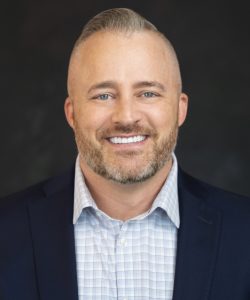
About the Author
Bill Merren
President & CEO at America First Mortgage · NMLS #196091
Bill, a Las Vegas native, attended Durango High School, where he excelled in athletics and earned an academic scholarship to attend UNLV after serving six years in the U.S. Army. Bill and his wife are active parents, raising their four sons and often spending weekends at various sports fields or enjoying outdoor activities around Vegas
Specializes in: VA loans
Non QM Loans
Reverse Mortgage
Licensed in: AZ, CO, FL, ID, NV, TX
Related Posts